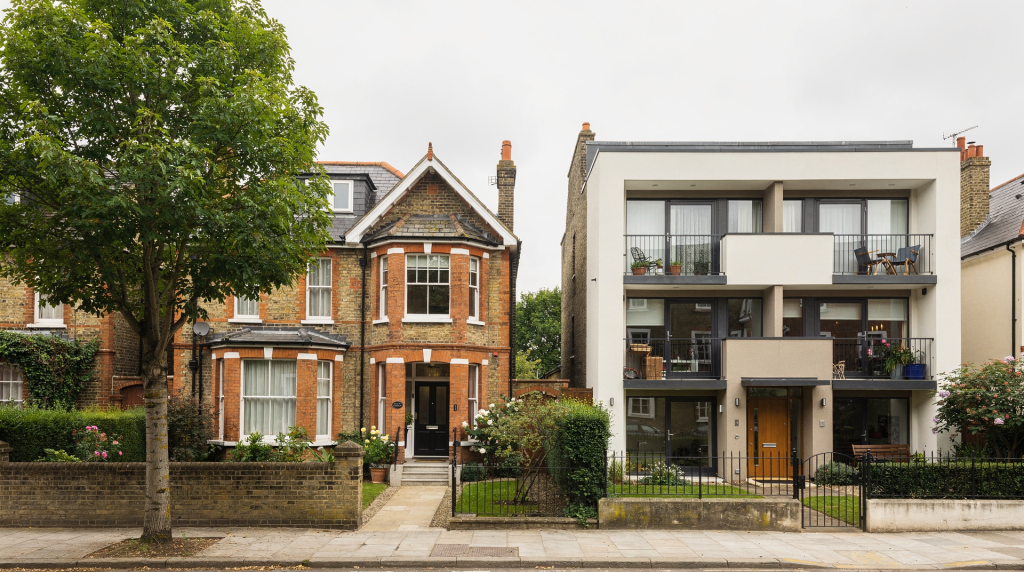
When you start looking at property in England, one of the first distinctions you’ll encounter is between freehold and leasehold. It’s not just a label on the title register—it dictates your control over the property, your ongoing costs, how long your ownership lasts, and what you can do with the place. I’ve seen buyers fixate on the purchase price while overlooking the tenure, only to face unexpected bills or restrictions later. The tenure you choose can shape the true cost of homeownership just as much as the price you pay at completion.
What freehold means
Freehold ownership is the closest you get to absolute ownership under English law. You own the building and the land beneath it indefinitely—there’s no lease ticking down, no landlord to answer to for structural changes. For most houses in England, freehold is the default and, frankly, the simplest arrangement. That said, ‘freehold’ doesn’t mean ‘lawless’. You’ll still need to comply with planning permission requirements, building regulations, and any restrictive covenants that might be attached to the title. But day-to-day, you call the shots on maintenance, improvements, and whether to keep a pet without asking permission from a freeholder.
Typical freehold features
- You hold the title to both the building and the land it stands on.
- Your ownership has no built-in end date—it’s perpetual.
- You’re responsible for all maintenance, buildings insurance, and repairs; there’s no freeholder to share the burden.
- You won’t pay service charges to a landlord for the building’s upkeep, though you might contribute to shared costs if there’s a private road or a common accessway with a separate arrangement.
What leasehold means
Leasehold is fundamentally different. You’re buying the right to occupy and use the property for a set period—say, 99 or 125 years—under a lease agreement. The land itself, and often the structural parts of the building, remain owned by the freeholder (the landlord). This model is the norm for flats in England because it provides a legal framework for managing shared spaces like hallways, roofs, and foundations. But it also means your ownership is temporary and governed by the lease terms. You’ll need to check what you can and can’t do, from hanging a picture to subletting, and you’ll typically pay ongoing charges to the freeholder or managing agent.
Typical leasehold features
- Your ownership lasts only as long as the lease term—once it expires, the property reverts to the freeholder unless you extend.
- You don’t own the ground beneath the building; the freeholder retains that interest.
- The lease will almost certainly require you to get consent for structural alterations, and often for things like replacing flooring or keeping a pet.
- You’ll likely pay service charges for maintenance of common parts, and possibly ground rent to the freeholder.
- The freeholder or a managing agent appointed by them usually controls the building’s management, including arranging insurance and major works.
Freehold vs leasehold: the practical difference
| Point | Freehold | Leasehold |
|---|---|---|
| Ownership | You own the building and the land outright, with no time limit. | You own a leasehold interest—a right to occupy for a fixed term—while the freeholder retains the land and structure. |
| End date | None; ownership is perpetual. | The lease expires after a set number of years, after which the property returns to the freeholder unless extended. |
| Land ownership | Yes, you own the land. | No, the freeholder owns the land. |
| Common parts | Usually not relevant for houses. | In flats, the leaseholder typically does not own hallways, stairs, or the building structure. |
| Control | More direct control over alterations and use, subject to planning and covenants. | Control is limited by the lease terms and the landlord’s rights; consent often needed for changes. |
| Ongoing costs | Usually only your own maintenance and insurance. | Often includes service charges and sometimes ground rent, which can increase over time. |
Why the distinction matters before you buy
The tenure isn’t just a box to tick on the property information form. It dictates who pays for a leaking roof, whether you can knock down a wall, and how easily you’ll sell in ten years’ time. With a freehold house, I focus my due diligence on the physical state, boundary lines, and any covenants that might restrict extensions or business use. With a leasehold flat, the spotlight shifts to the lease term—anything under 80 years can be a red flag for lenders—alongside service charge history, ground rent provisions, and the small print on alterations and subletting. Overlooking these can turn a dream home into a financial headache.
The biggest leasehold issues buyers should check
1. How long is left on the lease?
The lease term is the clock ticking on your ownership. A lease is a diminishing asset—each year that passes brings it closer to expiry. Once the remaining term drops below 80 years, the cost of extending it jumps significantly because of marriage value, and many mortgage lenders start to get nervous. I’ve seen buyers fall in love with a flat only to discover the lease has 70 years left, making it virtually unsellable without an expensive extension. Always check the exact number of years remaining, and factor the cost of a lease extension into your offer if it’s getting short.
2. What are the service charges?
Service charges aren’t optional extras—they’re a contractual obligation. They fund the maintenance of common parts, buildings insurance, management fees, and often a reserve fund for future major works. The amount can vary wildly: a well-run block with a clear budget might charge £1,500 a year, while another with a lift, concierge, and poor management could demand £4,000 or more. Ask for the last three years’ accounts and the current year’s budget. Look for sharp increases or large one-off levies. And remember, as a leaseholder you have limited ability to challenge unreasonable charges, though the First-tier Tribunal can offer some recourse.
3. Is ground rent payable?
Ground rent is a periodic payment to the freeholder simply for the right to occupy the land. Historically, some leases included doubling ground rent clauses that made properties unmortgageable. Recent reforms, including the draft Commonhold and Leasehold Reform Bill published in 2026, are pushing to eliminate ground rent for new leases and cap it for existing ones. But the law is still evolving. Don’t assume ground rent is trivial; check the lease for any escalation clauses. Even a modest £250 a year can become a problem if it doubles every decade. Your conveyancer should flag any onerous terms.
4. What does the lease say about use?
The lease is your rulebook. It may ban pets entirely, require carpeting in certain rooms, or prohibit short-term letting through Airbnb. I’ve had clients who bought a flat assuming they could work from home, only to find the lease restricts business use. You’re not just buying a property; you’re entering a long-term contract. Read the user clauses carefully. If you plan to sublet, check whether the freeholder’s consent is needed and whether it can be unreasonably withheld. Breaching these terms can lead to forfeiture—losing your lease altogether—so they’re not minor points.
5. Who manages the building?
Management quality can make or break your experience as a leaseholder. The freeholder might manage directly, or appoint a managing agent, or the leaseholders may have set up a right-to-manage company. Good management means transparent accounts, prompt repairs, and a sensible long-term maintenance plan. Poor management often means neglected common areas, surprise bills for major works, and a slow response to complaints. Ask to see the management accounts and minutes of residents’ meetings. If there’s a history of disputes, it’s a warning sign.
Freehold: what owners still need to watch
Freehold ownership gives you more autonomy, but it’s not a blank cheque. You’re still bound by planning law, building regulations, and any covenants that run with the land. I’ve seen freehold owners caught out by obscure restrictive covenants dating back decades that prevent them from building an extension or running a business from home. Boundary disputes can also turn nasty—a few inches of land can lead to costly litigation. Rights of way over private roads or shared driveways need to be clearly documented. And if you share a private access road with neighbours, you may have maintenance obligations that aren’t immediately obvious. Always have your conveyancer review the title documents for covenants, easements, and any third-party rights before you commit.
Leasehold reform in England: why buyers hear so much about it
Leasehold reform has been a hot topic for good reason. For years, leaseholders have faced escalating ground rents, opaque service charges, and limited control over their own homes. The government’s response has been a series of reforms, culminating in the draft Commonhold and Leasehold Reform Bill published in 2026. The proposals aim to ban new leasehold houses, cap ground rents on existing leases, and make it easier for leaseholders to take over management or buy the freehold. There’s also a push to promote commonhold as an alternative to leasehold for flats. But here’s the reality check: these reforms are not yet fully in force, and they won’t automatically fix existing leases. If you’re buying now, you must assess the lease as it stands today. Don’t bank on future legislation to rescue a bad deal.
Which is better: freehold or leasehold?
I’m often asked which is better. The honest answer is that it depends entirely on what you’re buying and what you value. A freehold house in a quiet suburb offers a different proposition from a leasehold flat in a city centre with a concierge and communal gardens. The key is to match the tenure to your lifestyle and risk tolerance.
Freehold is usually better if you want:
- Complete control over your property without needing a landlord’s consent for changes.
- No ground rent or service charges (beyond your own maintenance costs).
- A straightforward ownership structure—ideal for houses.
- No anxiety about a lease running down and the cost of extending it.
Leasehold can still be suitable if you want:
- A flat in a purpose-built block where the structure and common areas are professionally managed.
- A property in an area—like central London—where leasehold is the norm and freehold houses are rare or unaffordable.
- A situation where you’d rather not deal with external repairs, building insurance, or gardening; the service charge covers it.
The real issue is not whether leasehold is “bad” and freehold is “good.” It is whether the legal and financial rules match the property and your expectations.
How to check whether a property is freehold or leasehold
Whether you’re buying or just reviewing your own title, here’s a practical process I recommend:
- Obtain the official title register and title plan from the Land Registry—these are public records.
- The tenure will be stated clearly: ‘freehold’ or ‘leasehold’. For leasehold, the register will also note the lease term and parties.
- If it’s leasehold, get a copy of the lease and scrutinise the clauses on term, ground rent, service charge, and user restrictions.
- Find out who manages the building—the freeholder, a managing agent, or a residents’ management company—and request the last two years’ service charge accounts and any section 20 notices for major works.
- If it’s freehold, your conveyancer should check for restrictive covenants, easements (like rights of way), and any obligations to maintain shared infrastructure.
- Never exchange contracts until your conveyancer has explained all the title issues and you’re comfortable with the obligations.
Common mistakes buyers make
Over the years, I’ve seen buyers stumble into the same traps. Here are the most frequent mistakes:
- Assuming every house is freehold. Some houses, especially in new developments, are sold as leasehold—often with onerous ground rent terms. Always verify.
- Ignoring the remaining lease term until it’s too late. A short lease can knock tens of thousands off the value and limit your mortgage options.
- Obsessing over the purchase price while dismissing service charges. A flat with a £3,000 annual service charge may cost you far more over five years than a slightly pricier freehold house.
- Not checking whether you need consent for alterations. I’ve had clients install new windows only to be forced to reinstate the originals because the lease required consent.
- Treating ‘share of freehold’ as identical to freehold. You still have a lease, but you co-own the freehold with other flat owners. It gives you more control but doesn’t erase the lease obligations.
- Missing hidden costs like upcoming major works. A section 20 notice for a new roof can land you with a bill for thousands. Always ask about planned maintenance.
Quick checklist before committing
Before you sign anything, run through this checklist:
- Confirm the tenure from the official title register—don’t rely on the estate agent’s description.
- If leasehold, note the exact lease length and when it started. Anything under 85 years needs careful thought.
- Review the last three years’ service charge accounts and the current budget. Check for any sinking fund contributions.
- Understand who is responsible for repairs: internal, external, and structural.
- Read the lease’s user clauses: pets, subletting, business use, flooring, noise.
- Ask the seller or managing agent directly: are any major works planned or under discussion?
- Find out who manages the building and whether there’s a history of disputes.
- Speak to your mortgage broker early to ensure the lender will accept the tenure and lease terms. Some lenders have strict criteria.
Final takeaways
To sum up, freehold gives you outright ownership of both the building and the land, with no time limit. Leasehold grants you a time-limited right to occupy under a lease, while the freeholder retains the land and often the structure. The distinction isn’t academic—it shapes your control, your outgoings, and your property’s future saleability. For houses, freehold is generally the cleaner option. For flats, leasehold remains the default, but it demands thorough due diligence. My advice: don’t get hung up on labels. Instead, read the title documents, understand every financial obligation, and calculate the total cost of ownership over the time you plan to live there. That’s the only way to make a decision you won’t regret.
FAQ
What is the main difference between freehold and leasehold?
Freehold ownership means you hold the title to both the property and the land it stands on, with no expiry date. Leasehold means you have a lease—a contractual right to occupy the property for a fixed number of years—but the land itself belongs to the freeholder. In a leasehold flat, you’re essentially a long-term tenant with a valuable asset that diminishes over time.
Is leasehold bad?
Not inherently. Leasehold can work perfectly well for flats and managed buildings, providing a structure for shared maintenance and costs. However, it does require closer scrutiny because of the lease length, service charges, and restrictions that come with it. A well-drafted lease with reasonable terms and transparent management is not a problem; a poorly drafted one can be a nightmare.
Can a freehold property still have restrictions?
Absolutely. Freehold ownership is still subject to restrictive covenants, planning laws, building regulations, and rights of way. For example, a covenant might prohibit you from running a business from home or building above a certain height. These restrictions are recorded on the title and bind future owners, so they need to be checked carefully.
Why do flats in England tend to be leasehold?
Flats involve shared structure and common areas—roofs, stairwells, foundations—that need a legal framework for management and repair. Leasehold allows the freeholder to retain ownership of the building as a whole while granting individual leases to flat owners. This makes it easier to enforce maintenance obligations and collect contributions through service charges. Commonhold, an alternative form of ownership, is being promoted but is not yet widespread.
What should I check first when buying a leasehold property?
Start with the lease length, then examine the service charge history and ground rent provisions. After that, look at the user clauses—can you keep a pet, sublet, or make alterations? These three areas will give you a clear picture of the financial and practical implications of the lease.
Are leasehold rules changing in England?
Yes, the reform process is active. The government published a draft Commonhold and Leasehold Reform Bill in 2026, aiming to modernise the system by capping ground rents, making it easier for leaseholders to manage their buildings, and promoting commonhold. However, these changes are not yet fully law, so any property you buy today is still governed by the existing lease terms. Always take current rules as your baseline.